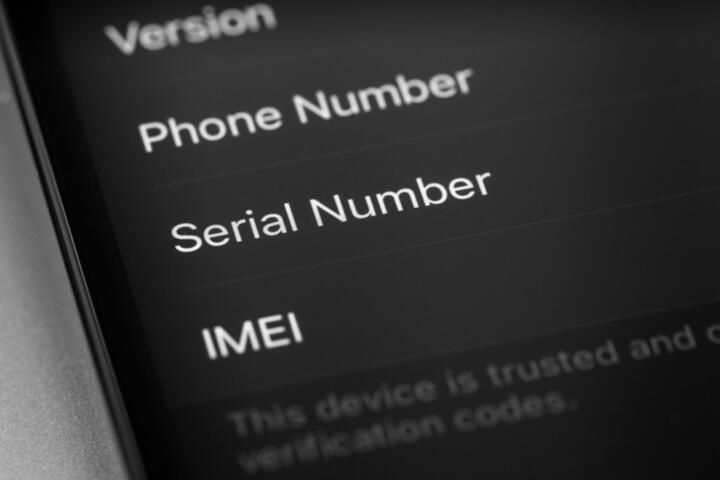
Serial Numbers And Risk
Serial numbers are identifiers tied to a specific unit, so they often appear in warranty claims, service logs, and asset inventories. Attackers use them to narrow down device models, match known vulnerabilities, and attempt targeted fraud. The risk grows when serial numbers are stored in places that many people can read, copied into public files, or included in screenshots and support tickets.
A practical example: a laptop repair request that includes the serial number in an email attachment can leak the identifier to anyone who forwards the message. Another example: a spreadsheet shared with a broad team permission group can turn a private inventory into a searchable dataset. Even if the serial number alone does not grant access, it can reduce the attacker’s work and increase the odds of a successful social engineering attempt.
Recording serial numbers safely means treating them like sensitive metadata, not like harmless labels. You can still track assets and warranties, but you need controls around collection, storage, sharing, and retention. The goal is to keep the identifier available for legitimate maintenance while limiting exposure to people and systems that do not need it.
Common Pain Points
People often record serial numbers in ways that create accidental exposure. A frequent mistake is copying serial numbers into general-purpose documents such as personal notes, shared chat threads, or unprotected spreadsheets. Another mistake is exporting inventory lists to PDF and attaching them to emails, which creates extra copies that are hard to retract.
Serial numbers also get mixed with other identifiers. When a record includes serial number plus purchase date, exact model, and location, the dataset becomes easier to use for targeted scams. Many organizations store these fields in the same row, then share the file for convenience, which quietly expands the audience.
Supporting technologies can worsen the problem. Cloud sync services, browser autofill, and screenshot tools can capture serial numbers without you noticing. Spreadsheet features such as “suggested filters” and search indexing can make the data discoverable to anyone with access to the file. I’ve seen teams on Microsoft 365 build an inventory in Excel, then forget that SharePoint indexing makes content searchable across the site.
Retention habits matter too. If you keep serial numbers forever, you keep the risk forever. When devices are retired, the serial number remains in backups, shared drives, and old exports. That persistence is not theoretical; it’s how backups work, and it’s why data minimization is a real control, not a slogan.
Safer Recording Methods
Capture Only What You Need
Start with a minimal data set. For most maintenance workflows, you need serial number, device name or asset tag, manufacturer, model, purchase date (optional), and warranty end date (if known). If you do not need purchase date for service, omit it. If a warranty system already stores the warranty end date, avoid duplicating it in your own records.
Use consistent formatting to reduce errors. Store serial numbers as plain text strings and preserve leading zeros. If your serial numbers include hyphens or spaces, keep the original formatting in one field and also store a normalized version in a second field only if you truly need it for matching. A normalized version helps when vendors remove punctuation, but it adds another place where the identifier can leak.
When you capture data from labels, avoid photographing the entire label sheet. Crop images to the serial number area and remove surrounding text that might include MAC addresses or internal barcodes. If you use a scanning app, check whether it uploads images by default; some apps do, and some do not. On my last review of common mobile scanning workflows, the “share to cloud” toggle was buried one screen deeper than expected.
Store With Access Controls
Choose a storage location with clear permissions and audit trails. For small teams, a password-protected spreadsheet stored in a restricted folder can work, but it must not be shared broadly. For larger inventories, an asset management system with role-based access is a better fit because it limits who can view serial numbers and who can export them.
Use least-privilege access. Give read access only to people who handle maintenance or warranty claims. Restrict export permissions because exports create copies outside your control. If you use Microsoft Excel with Microsoft 365 and SharePoint, confirm whether “view-only” users can still download the file; many setups allow downloads unless you configure restrictions.
Protect the record at rest and in transit. Enable encryption where the platform supports it, and use strong authentication such as multi-factor authentication for accounts that can access the inventory. For local storage, use full-disk encryption on laptops and encrypted containers for files. A serial number list on an unencrypted USB drive is a common failure mode, especially when the drive is shared among multiple machines.
Control Sharing And Exports
Set a rule for vendor communication: share serial numbers only when a vendor needs them for a specific task. When you email support, include only the serial number and the minimum context required. Avoid attaching full inventory lists. If you must attach documents, redact other identifiers such as asset tags, internal notes, and location details.
Use redaction tools and verify the result. Redaction can fail when the PDF is flattened incorrectly or when the text remains in the file metadata. In Adobe Acrobat, the “Redact” workflow removes content from the visible layer, but you still need to confirm the exported PDF no longer contains the original text. I’ve seen cases where a redacted PDF still allowed copy-paste of the hidden serial number.
For spreadsheets, create a “vendor view” export that contains only the relevant row. Generate it on demand rather than maintaining a separate file that drifts out of date. If you use Google Sheets, check whether sharing settings allow “download as” options for viewers; those settings vary by admin policy.
Plan Retention And Disposal
Define a retention period tied to legitimate needs. Warranty records often need to be kept for the warranty duration plus a short buffer for claims. Maintenance logs may need longer, but serial numbers do not always need to remain in the same format after the device is retired.
When retiring devices, remove serial numbers from active inventories and archive them in a restricted location if required. If you keep an archive, restrict access and disable exports for most users. For backups, you cannot selectively delete individual rows easily, but you can reduce future risk by limiting what you store going forward.
Dispose of old files and images. Delete retired inventory spreadsheets, old exports, and screenshots from shared drives and personal devices. Then verify that recycle bins and retention policies do not keep the data accessible longer than intended. In some enterprise setups, “site retention” can keep deleted files for months, which is useful for compliance but risky for serial number exposure.
Case Examples
Small Office Warranty Workflow
A two-person office tracks 40 devices in a single Excel file stored in a shared folder. They stop sharing the file link with a broad group and instead grant access only to the two staff members who handle repairs. When a printer fails, they export only the printer’s row to a PDF, redact internal notes, and email the vendor with the serial number and model. After the claim closes, they delete the export file from the shared folder and keep only the updated warranty status in the main inventory.
They also change how they capture data. Instead of taking a photo of the entire label, they scan the serial number field and store it as text. This reduces the chance that a photo includes other identifiers that vendors do not need. The office keeps the inventory file under multi-factor authentication, and they review access quarterly, which catches former employees who still have access.
Home Inventory For Repairs
A homeowner maintains a personal inventory for electronics and appliances. They store serial numbers in an encrypted password manager entry rather than in a general notes app. For each device, they record serial number, manufacturer, model, and warranty end date if known. When contacting support, they copy only the serial number and model into the support form, avoiding screenshots and attachments.
When a device is retired, they remove the entry from the active list and keep a minimal archive record for a limited time. They also avoid storing serial numbers in cloud documents that sync to multiple devices without encryption. This approach reduces the chance that a device backup or a shared family tablet exposes the serial numbers to more people than necessary.
Checklist And Tradeoffs
| Option | Best For | Main Risk | Control To Add |
|---|---|---|---|
| Encrypted password manager | Small personal inventories | Over-sharing via copied text or screenshots | Copy only the needed fields; avoid attachments |
| Restricted spreadsheet | Small teams with few exports | Accidental sharing and bulk exports | Limit permissions; create row-level vendor exports |
| Asset management system | Larger inventories and audits | Misconfigured roles or export permissions | Role-based access; restrict export and logging access |
| Paper log in a locked cabinet | Offline-only needs | Physical loss or unauthorized viewing | Lock access; store in a fire-resistant location |
Decision support checklist:
- List the fields you truly need for warranty and service, then remove everything else.
- Store serial numbers in a location with restricted access and a clear sharing policy.
- Use row-level exports for vendors, not full inventory attachments.
- Redact other identifiers in PDFs and verify the redaction by attempting copy-paste.
- Set a retention window for active records and delete retired exports and screenshots.
- Review access at least quarterly for shared files and shared drives.
Common Mistakes
One recurring mistake is mixing serial numbers with login credentials or device access details in the same document. If a file leaks, attackers gain both identifiers and operational access. Keep serial numbers in a separate record from passwords, recovery codes, and admin notes.
Another mistake is relying on “view-only” links without checking download behavior. Many platforms allow viewers to download or copy content even when editing is disabled. If you cannot confirm the behavior, assume the data can be copied and design your sharing accordingly.
People also over-share during troubleshooting. A support ticket often includes screenshots, logs, and device details. If those screenshots include serial numbers, the vendor or third-party ticket system may retain them longer than you expect. I’ve seen teams paste full device info blocks into tickets because it feels faster, and then later realize the serial number was included in the pasted text.
Finally, teams forget about backups and old versions. Version history in document platforms can keep earlier copies of spreadsheets that still contain serial numbers. If you update the inventory, you still need to check whether old versions remain accessible to broader roles.
FAQ
Should I Store Serial Numbers
Store them only when you need them for warranty, service, or asset tracking. If you do not use serial numbers for those purposes, record a less specific identifier such as model and purchase date.
Can Serial Numbers Be Used
Serial numbers can help attackers target a specific unit and support fraud attempts, even when they do not directly grant access. Treat them as sensitive metadata and restrict who can view them.
Is A Spreadsheet Safe Enough
A spreadsheet can be safe if it sits in a restricted folder, uses strong authentication, limits sharing, and prevents broad exports. If many people can access the file or download it, risk increases.
How Do I Share With Vendors
Share only the serial number and minimal context for the specific device. Export a single row, redact other identifiers, and avoid attaching full inventory lists or screenshots that include extra data.
What Should I Do When
Remove the device from active inventories and delete old exports and screenshots. Archive serial numbers only if you have a legitimate retention need, and restrict access to the archive.
Author's Insight
Serial numbers behave like identifiers that can increase the effectiveness of fraud and targeted attacks when they are searchable or widely shared. The safest approach is data minimization: record only fields needed for warranty and service, store them behind restricted access, and share them on a per-device basis. Many security failures come from convenience features such as bulk exports, screenshot sharing, and permissive “view-only” links. A practical workflow treats serial numbers as sensitive metadata with the same discipline you apply to other personal or operational records.
Key Takeaways
- Record only the serial number and the fields you need for warranty and service.
- Store serial numbers in restricted locations with strong authentication and limited sharing.
- Share with vendors using row-level exports and redaction, not full inventory attachments.
- Delete retired exports and screenshots, and limit retention of serial number records.
- Audit access and sharing settings regularly, because backups and version history can keep old copies.